
T-money: Korea's Public Transit Payment Guide
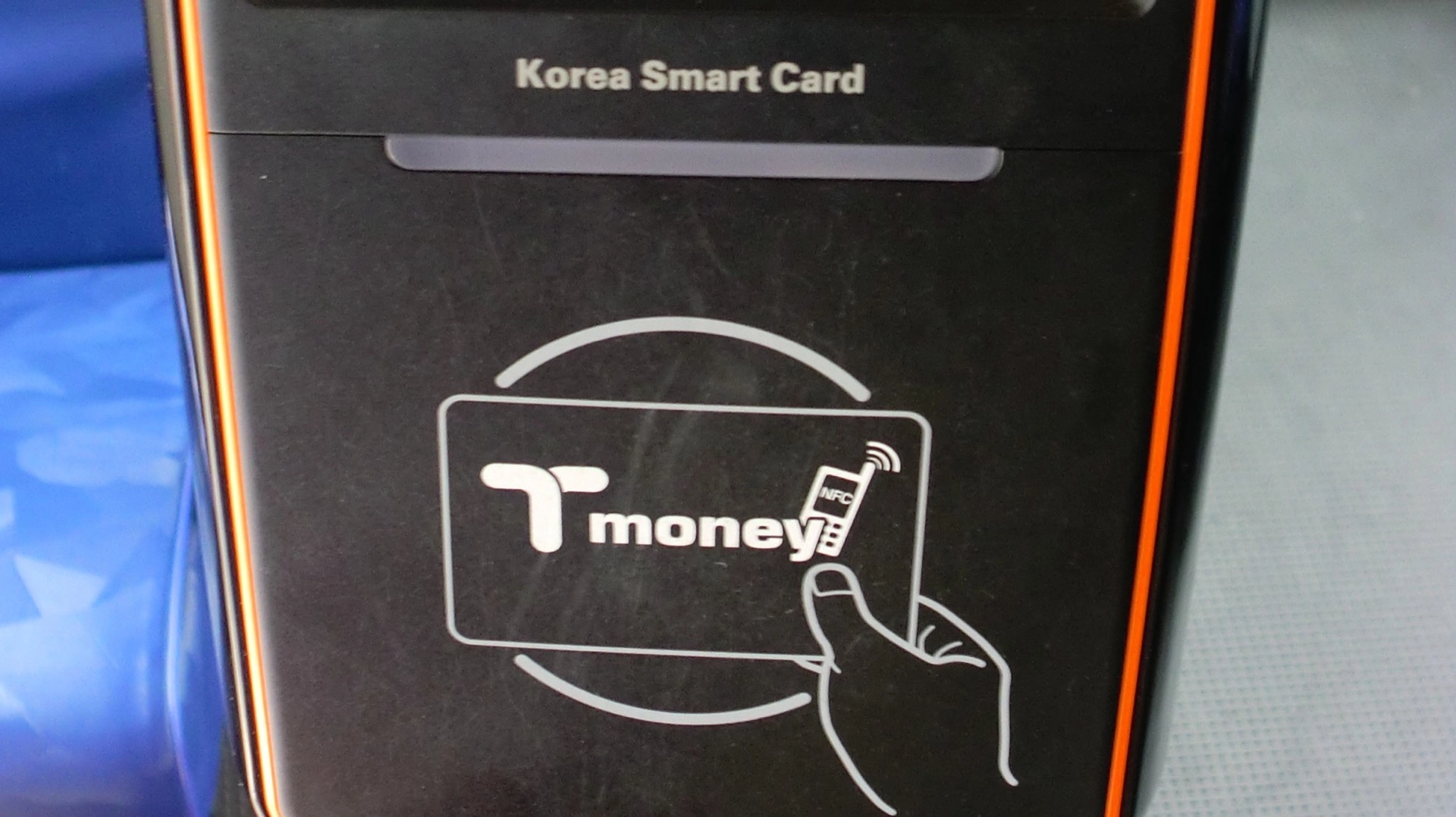
You land at Incheon International Airport. You have a list. Namsan Tower, Gyeongbokgung, Hongdae, that restaurant from the K-drama. The city is twenty minutes away by rail. But nobody told you what you need to board that train. Every visitor runs into the same problem: how do you actually pay for the subway and bus here? The answer is one card, called T-money. It works on every subway line, every city bus, and most taxis in the country.
That is what is visible. The card has a longer story behind it.

The System
Seoul’s population went from 700,000 in 1952 to nearly 11 million by 1990: a city built for a fraction of its people, compressed into four decades instead of a century. The 1960s answer was roads. The 1970s answer was the subway: Line 1 opened on August 15, 1974, timed to the anniversary of Korea’s liberation. But by the early 2000s, buses were losing. Over 100 private operators ran overlapping, uncoordinated routes with no central planning, and by 2002 the average bus in Seoul moved slower than a car in traffic.
T-money launched on July 1, 2004, the same day Seoul tore up and rebuilt its entire bus network: consolidated routes, a route-tendering system to force competition, and one distance-based fare across every subway line and bus. The card was not a payment product added to a good system. It was the technical piece that made a single fare across a rebuilt, chaotic network possible at all.
The company behind it, Korea Smart Card Co., Ltd., was formed in 2003 as a public-private partnership led by LG CNS. By the mid-2010s, the system was processing 43 million transactions daily. It is not an app or a loyalty program. It is critical transit infrastructure.
The card works on all Seoul subway lines, city buses, town buses, and most taxis. It also works at convenience stores, so you can tap to pay for a bottle of water at GS25 the same way you tap to board a train. Nationwide interoperability expanded in 2014, meaning the same card works in Busan, Daejeon, and most other cities.
By 2025, mobile T-money became available on iPhone via Apple Wallet. Android users had mobile access earlier. A physical card still works everywhere a digital version does, and costs less to set up.
Korea’s transit system was rebuilt from the ground up in 2004, and T-money was designed into it from the start. Most visitors figure out the card by asking someone at the station. Knowing what it is, and why tapping out matters, gets you through the first day without being overcharged or stranded.
The card costs next to nothing. It works everywhere. Get one before you leave the airport.
Getting a card is simple. Physical T-money cards are sold at most convenience stores: GS25, CU, 7-Eleven, and Emart24. The card itself costs a few thousand won and comes pre-loaded with nothing. You load balance separately. Subway stations carry them too: the 안내데스크 (annae-desk, information desk) near the entrance sells them, and some ticketing machines sell and reload them as well. To load balance, ask the cashier at any convenience store to 충전 (chung-jeon, charge) the card. Some stores accept credit or debit for recharging; others are cash only. Loading via the Seoul Metro app is possible if you have a Korean bank account, but for most visitors the store counter is the fastest option.
Using it comes down to one rule: tap in when you enter, tap out when you leave. Both matter. Korea’s subway uses distance-based fares and charges the final amount when you exit. If you do not tap out, the system assumes you traveled the maximum distance and charges the ceiling fare. On a short trip, the difference is significant. There is also a transfer discount: switch from subway to bus, or bus to bus, within 30 minutes, and the second leg is either free or heavily discounted depending on the route combination. This only triggers if you tap out at the end of each leg. Miss one tap and you pay full fare again.
One practical note: the card balance can go slightly negative. The system allows a single-ride buffer so you are not stranded if you forget to reload before a trip. Load more at the next convenience store you pass.
References
- T-money (Wikipedia): https://en.wikipedia.org/wiki/T-money
- Seoul 2004 bus reform history: https://use.metropolis.org/case-studies/seoul-public-transportation-reform-in-2004
- Seoul Metro Line 1 history: https://www.koreatimes.co.kr/southkorea/20110213/century-seouls-first-subway-line-opened-in-1974
- Seoul population growth 1950–2026: https://www.macrotrends.net/global-metrics/cities/21758/seoul/population